What They Say:
“Steve is an absolute creative wonder, and not just when it comes to filmmaking. He’s generous with his insights, spot on with his suggestions, and always prompt and professional. You can tell he pours integrity into every project he touches. I would highly recommend Steve to anyone who wants their vision treated with care, skill and creativity.”
-Lotus Cheong, Author
While many filmmakers offer basic services of interviewing and editing with some family photos, Legacy Ever After is interested in telling the most compelling story with all available resources. If your family has thousands of pictures to sift through, we’ll look through all of them to find the few that are the most useful and relevant. There may be items made of paper; baby announcements, report cards, wedding invitations, postcards, any one of them could be priceless in its contribution to the story. We carefully digitize them into the media resources file for your film. Scroll down to find out more about what makes Legacy Ever After different from the rest.
SCANNING
If you want something done right, you do it yourself. So we do. When we’re able to scan prints and other materials on location, we take the extra time and effort to do it right, so that in post production we know we’ll have what we need. We bring a professional Canon scanner and meticulously scan everything individually for the highest quality. We typically scan images at 600 dpi or larger, saved as TIFF files, ideal for archival purposes. No low-res jpegs here. Taking the extra time is worth it. We can also scan oversize items like large newspapers, posters, wall maps, etc. and stitch them together to make a seamless, perfect image.
We can take apart old photo albums so their delicate pages can be scanned in their pristine condition, with no creasing or bending of the pages. All your items are returned to you in the condition they were entrusted to us. By personally scanning the media we use, it gives us a chance to imagine the creative possibilities in advance, by knowing the quality of the digitization. It also gives us instant access to some or all of your media that needs digitizing, allowing us to immediately get to work, unlike waiting for media to be returned in digital format from a third party vendor.
We carefully restore and finesse each photo to bring out its best qualities. Things like color correction and contrast are dealt with to compensate for years of fading prints.
At the completion of every film, we give this archive-quality treasure trove of scanned and restored pictures at no extra charge to the client.
See what a difference our scanning makes in this segment from a Legacy Ever After film:
PHOTO RESTORATION
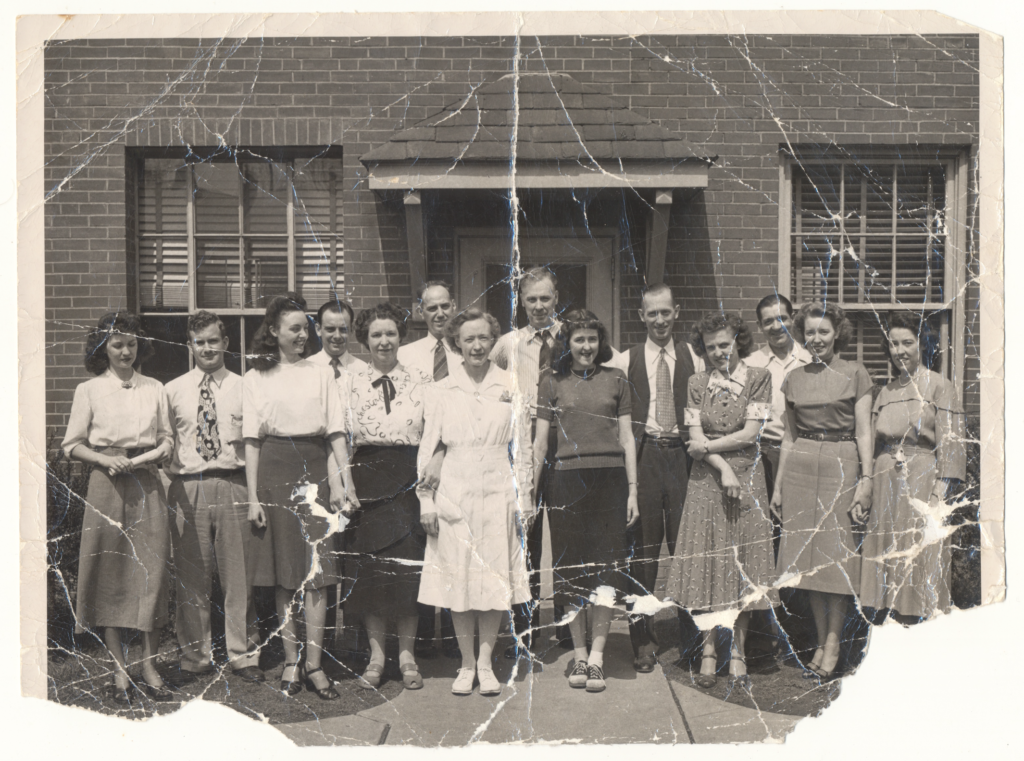
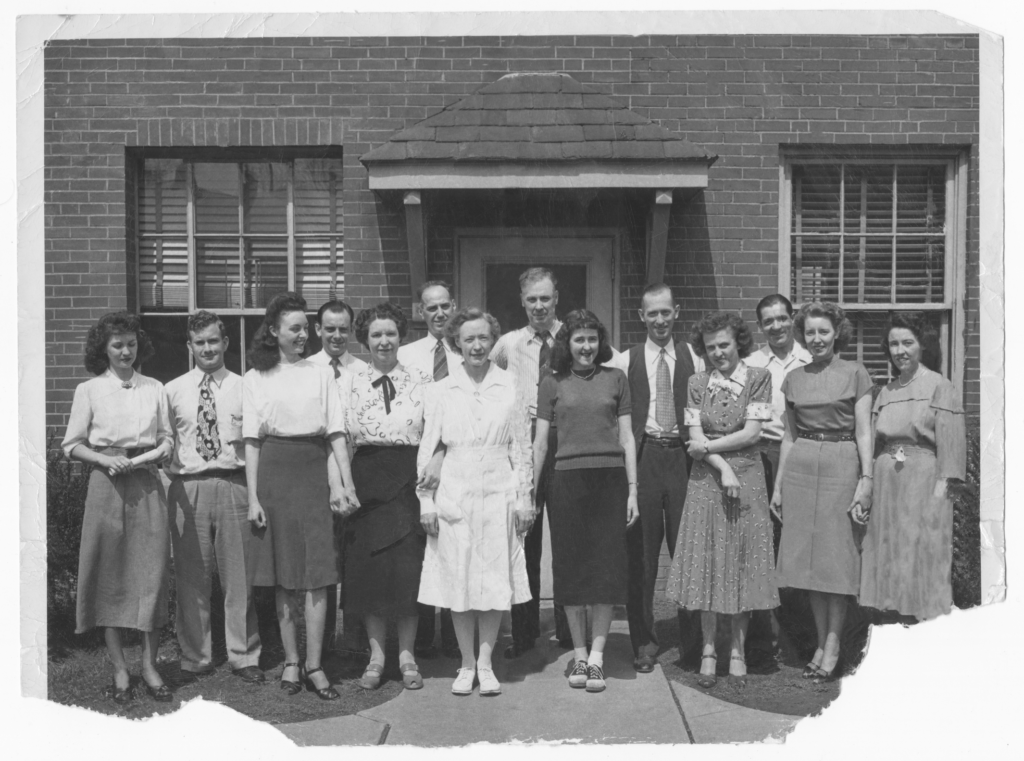
Sometimes, rare family images may be in tatters or damaged and are in special need of preservation. As much as original damaged photos have their timely charm, touching them up to their pristine state gives the viewer a sense of the photographer’s intention and the results that were originally seen. We painstakingly fix photos manually, by hand, to eliminate distractions for the viewer and stay immersed in the narrative.
If you need digitization of old film, slides, negatives, obsolete video formats, black & white colorization or fixing extreme photo damage, we recommend ForeverStudios.com for professional results and quick turnaround, with no affiliation on our part.
RESEARCH
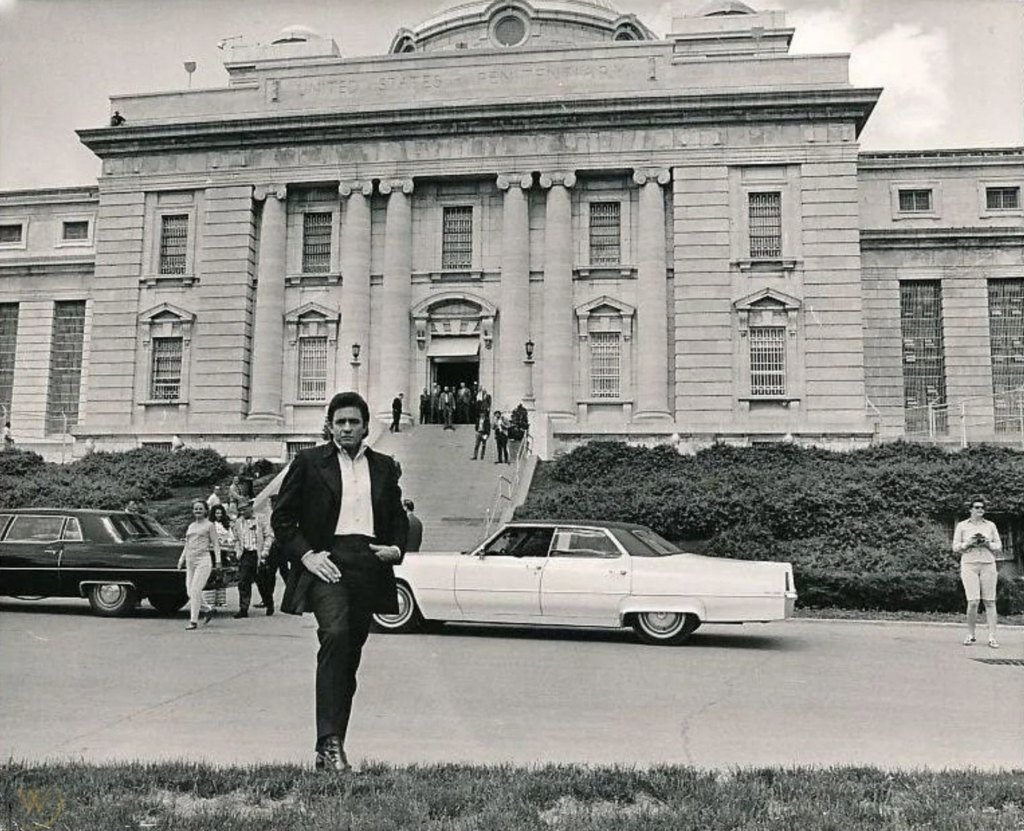
As any award-winning historian will tell you, the better the research, the better the story. It makes for stories that are rich in detail and insight, rather than simply factual. Steve is a member of Personal Historians Network West and enjoys diving into research by contacting historical societies, film archives, the Library of Congress, National Archives, and many other sources, along with gaining military records, perusing genealogical websites and exploring many more avenues of information and media. Research also includes the painstaking effort to find just the right historical images, archival or stock footage to set the stage for a period, era, or event in the film. As they say, a single picture is worth a thousand words, and when you find the one that’s just right, it’s priceless.
Check out Steve’s blog post about finding undiscovered storytelling gems, Striking Gold in Legacy Research:
STILL IMAGES BROUGHT TO LIFE
Motion Graphics
You see them all the time in your favorite documentaries. A printed picture seems to have three dimensional layers as the camera moves closer. There’s a sense of foreground and background. The flat image is given depth and movement.
It might not sound like something you need to tell your family’s story, but it’s these distinct touches, used sparingly, that make for next-level production values. Seen in nearly all current PBS and Netflix documentaries, shots like these make still images have greater impact, seeing them like they’ve never been seen before, like bringing a hundred year old postcard to life for a few seconds. It gives the viewer a better sense of what it was like to be there, to hear the sounds of the place and a sense of the time.
Check out some examples of motion graphics seen in Legacy Ever After films:
SOUND DESIGN
What makes otherwise silent film or still pictures come to life is a little sound design; authentic sounds of what the viewer would hear if they had shot the film or taken the picture. It could be the sounds of Disneyland in the 1950s, old cars from the 30s, or the audio of something unique to a time or place. Sound design puts you in the moment, brings back memories, and makes for captivating storytelling.
With a vast library of sounds from all times and places, we can breathe new life to your visuals and weave a story with sound.
Some examples of sound design seen in Legacy Ever After films:
SCRIPTWRITING
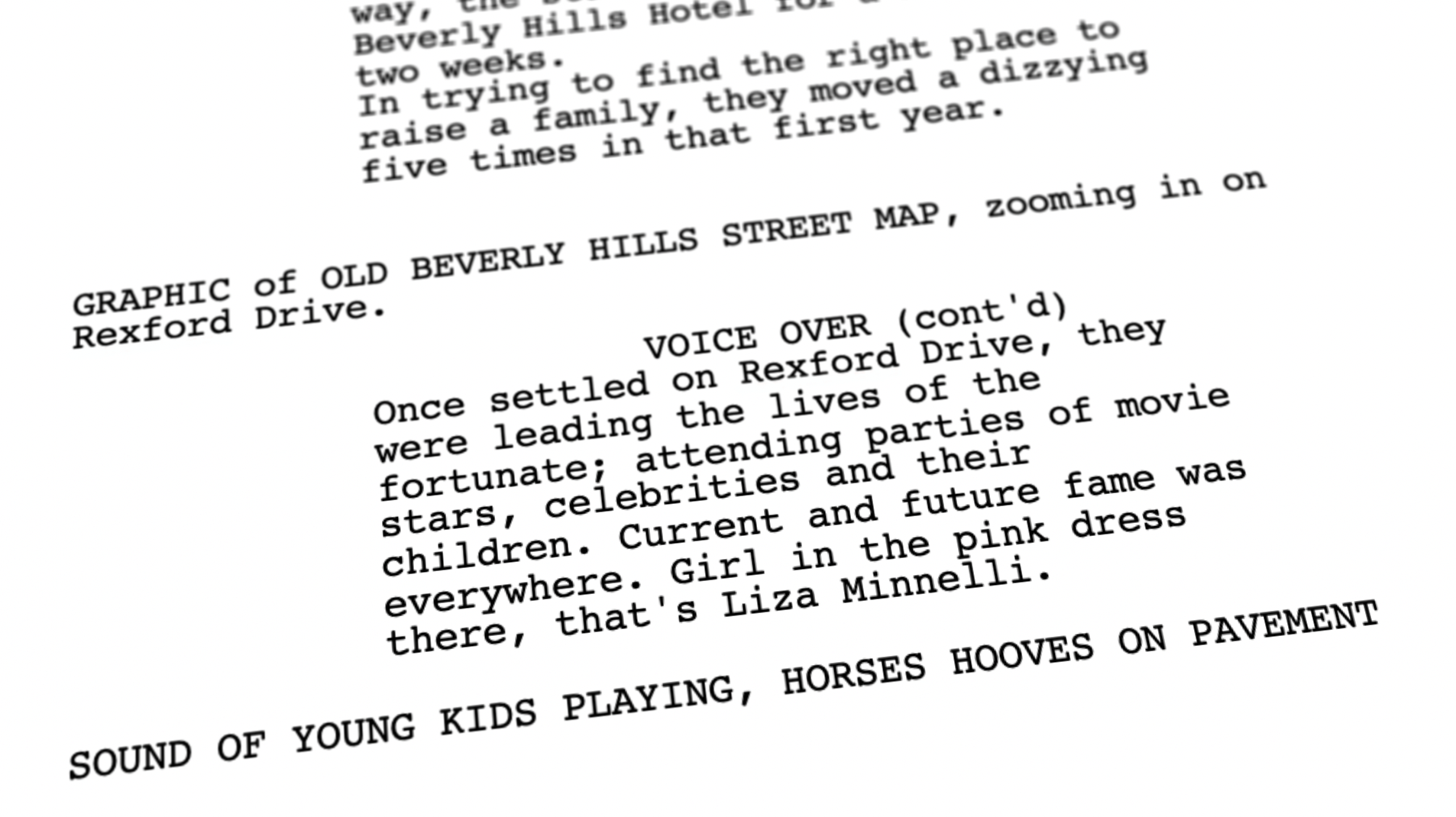
The script is the culmination of all the research and interviews, having turned over every stone. It lays out in screenplay format how the sights, sounds, interviews and graphics work together to tell the story.
Steve’s professional writing credits are many and diverse. He has been published in books, magazines, newspaper articles, voice over, video copy and more.
Here’s an example from the 8th and final draft of a script:
VOICE OVER
As seen in so many great documentaries, voice over can be the backbone of a well-told story. Unlike most legacy production companies, we make broadcast-quality films with scripted voice over.
In a matter of moments, narration can condense and summarize a point that took three people five minutes to say. It can also say what nobody else put into words. It’s the narration that connects one segment to another, providing smooth transitions to changing subjects and themes.
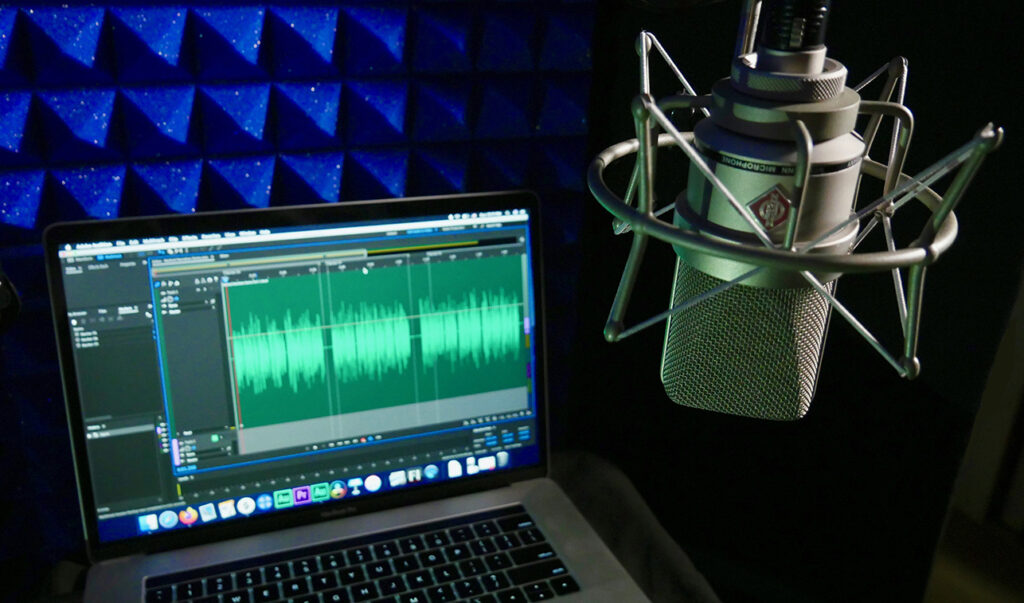
The script goes through many iterations and drafts as the research is under way, being one of the last elements of the production to be finished. The words on the page are hammered and wordsmithed for flow and timing, then recorded as a scratch track to make sure it sounds right. Once the final script is locked in, the VO is recorded one last time and carefully placed into the editing workflow, line by line.
Steve brings decades of experience voicing projects for clients in the US and abroad.
You can check out his dedicated voice over website and samples of his work at: SteveEdwardsVO.com
Not interested in having narration in your project? No worries.
We’ll find out what you would like to do in the Discovery phase.