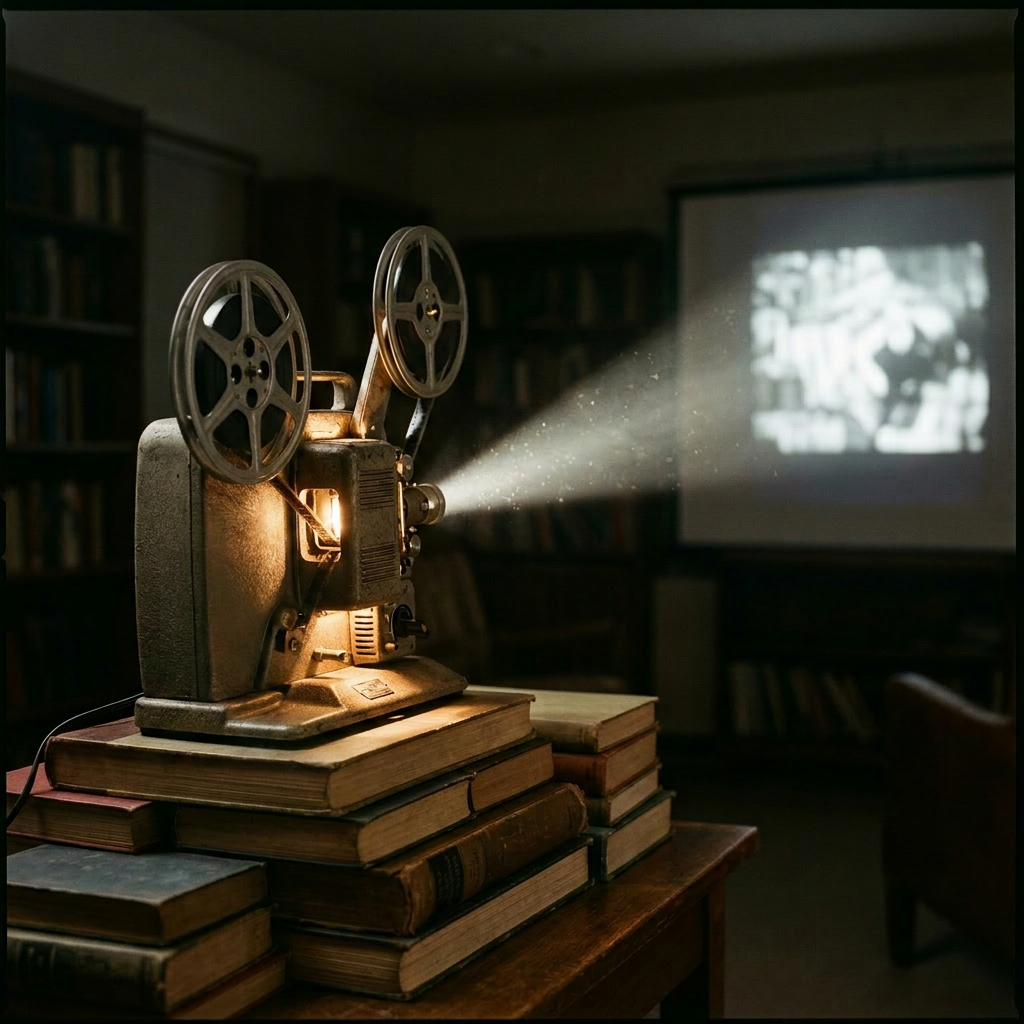
Everyone knows film and video work can be quite expensive and that books can be a fraction of the cost.
Insights:
A film is ‘presence’ vs. documentation’ (a book).
Video captures emotion in real time, reactions, etc.
A film requires far less effort on the part of the subject than writing, which is especially beneficial to patients in hospice care, who are low on energy and focus.
Lots of family books go unread
The subject doesn’t have to worry so much about ‘getting it right’ in writing
Families often wish they could hear someone’s voice again, but with a book that door is closed. In video, it remains permanently open.
Watching a legacy film is a shared family experience whereas reading is solitary.
‘A book tells your story. A film lets the viewer experience you.’
For most families—especially in emotional or time-sensitive situations—film is simply more human and more enduring.
I think legacy books are great; they’re something tangible that you can hold in your hands, turn the pages, see the historic pictures in their crisp detail, and it’s right there on the bookshelf where you need it. Here’s the thing about books sometimes: They feel like work because they take effort.
I enjoy offering what they can’t, delivering family stories that capture the voices and laughter of family members, seeing their faces and their reactions in real time and stimulating the senses with memory.
A book is what you read in order to let your imagination fill in the blanks, to imagine what it was like or how it was at the time or in the moment. And that is great, like when a book is better than the movie, because your imagination was able to paint the mental pictures to appreciate the story. With film and video, you witness the actual moment, and not just one frame of it. You hear the sounds of the time, the squeals of people in a celebration. Not imagined.
With a book, the author describes with words and asks you to envision what it was like. As a filmmaker, I show the viewer what it was like, provide the sounds to the motion to help the viewer better imagine the setting they see.
It’s the same for longing for family members. Nothing is quite as soothing as hearing the voice of someone no longer with us.
I often have a thought when it comes to legacy books and people looking for consolation: Nobody leaps off the sofa to read anecdotes about their mother who passed away. To me, books don’t have the consoling or connection power that audio and video bring. An example I draw upon is the 2026 film Song Sung Blue, where Hugh Jackman plays a Neil Diamond cover band singer in the 80s and 90s. Throughout the film, for posterity, the son records his father talking into the camera and practicing songs for his shows. Every time they start a recording, it seems like routine family stuff, like ‘record and forget about it’ unless we need it. But it’s bonding time. When the father passes earlier than anyone expected, at the end of the film, the young son sits watching those taped sessions like he’s sitting there being with his father again. It struck me how that is exactly what a legacy film is, as simple and unedited as it was. Those videos are a reminder in time of the connection they had and forever will have. The son in the film can’t get the same feeling by reading his dad’s sheet music.
Every family has stories worth preserving. If you would like to create a professionally-produced legacy for yourself or someone you love, Legacy Ever After can help capture those memories in a timeless way. Contact us to learn more about what your film could be like.
Comments are closed