Some legacy filmmakers shy away from them. Some avoid them altogether. I see them as a challenge accepted.
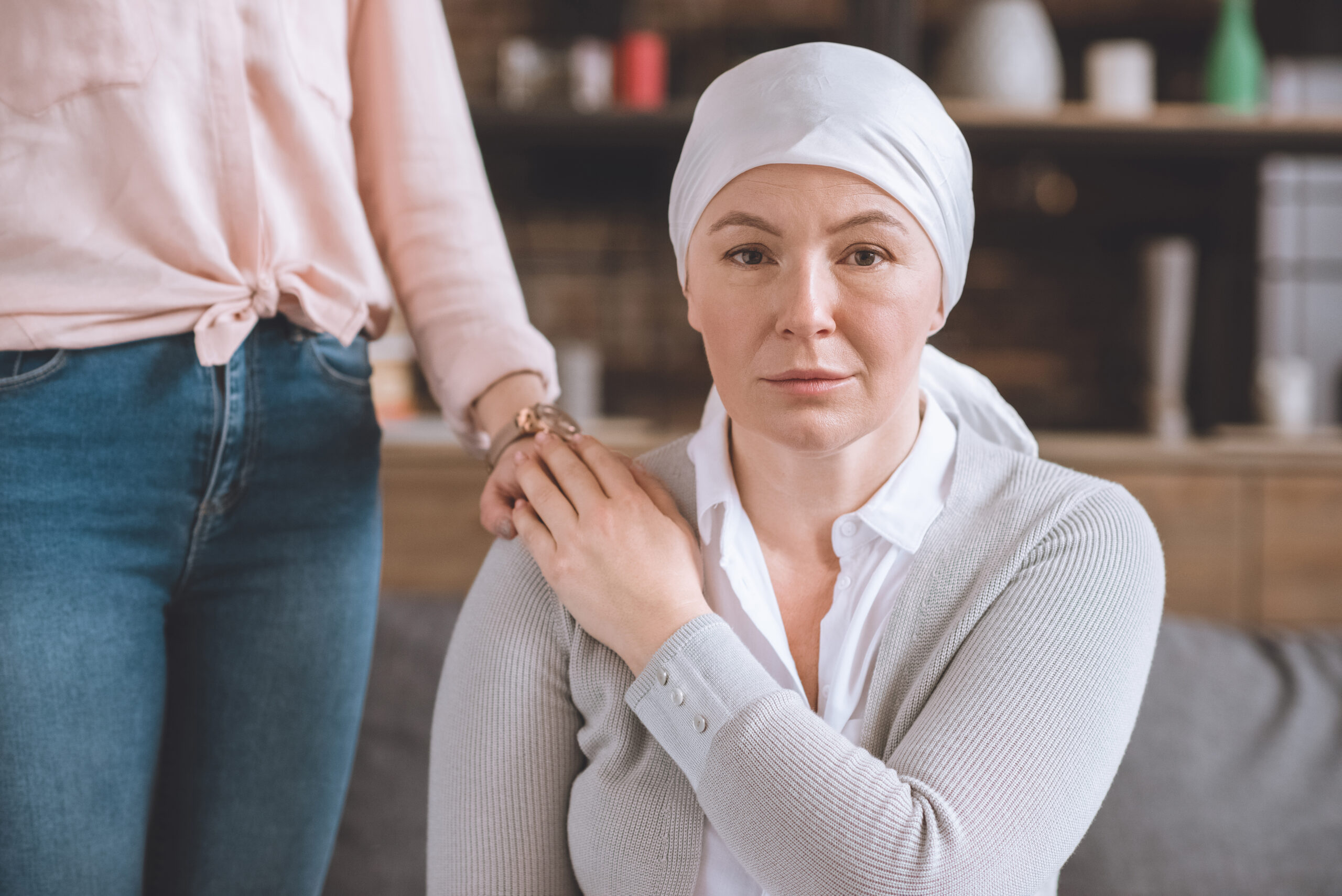
I had a period early on where I made three legacy films in a row for clients that were in hospice care. They all had something in common: They had been battling major health issues and the treatment had done what it could and it was time to let go and let nature take its course. An even greater sense of getting their affairs in order had suddenly been imposed on them. They had words left unsaid and stories to pass on.
Get the interview as soon as possible
One thing I took away from those projects was that you should get the interviews with patients in hospice care as soon as possible. Interviews of other family members can go on a backburner compared to that main one you need to get. The example that stands out most in my mind is when I had a video call with an ailing doctor and his son, talking about doing a film. The doctor had a diagnosis of only months to live and was weak from chemo treatments. He was eager to get the project underway and get in front of the camera, but wanted to recover some of his strength and normalcy, now that the chemo was over. He lived just a short drive away in Portland, where I lived, and I was available on short notice. I should have stressed the importance of shooting soon, but didn’t want to push the man and besides, he was the doctor, not me.
We never got to have that interview or another conversation. His health took a sudden turn for the worse and he was gone in less than two months. It would seem that his great story in his own words and perspective would be lost forever. Yes, that opportunity missed, but we saved it. The family turned the lost opportunity into a chance for his many friends and colleagues to speak on his behalf, telling tales of his character and experiences.
Other legacy filmmakers I’ve spoken with push away engaging such clients, but say they wouldn’t turn them away if need be. They cite the complications of that increasingly narrow window of time the person in hospice care has left, the health issues of the interviewee, the fact they’re not looking their best, and very well possibly the worst, in their lives.
Those concerns are valid and can be difficult to work around. But people in hospice have a story they urgently want to tell and know they’ll probably get one chance to do it.
Some really in-depth legacy filmmakers will interview their subjects for hours and hours on different days to get an ocean of information to draw upon in the edit. It’s a luxury we don’t have on a hospice patient shoot. The subjects are weak and frail, taking all their stamina to speak for lengths of time. This is where preparation and research come in. Having a refined list of questions and prompting statements is what keeps things on track and ensures you’re going to get the material you need to put it all together later.
Common issues you face in these situations is the main character of the film, whether they are telling their story or that of someone else, depends on the condition they’re in. They’re having all kinds of health issues as they try to stay comfortable and relaxed before and during the interview. They’re probably on some kind of pain medication and have a roller coaster of factors at play in the moment. If their nutrition is off, blood sugar, not enough water, especially their potassium, can really throw them out of whack.
They tend to be cranky, possibly still in a coming to terms phase with what’s happening as the sun sets on their lives.
So, where others shy away from legacy films during hospice care, I feel a gravitational pull to them because this is one of their last, most important wishes and what will give them peace of mind and comfort in their departure. Here is a person who knows they’re leaving us soon and although the work may not be completed in time for them to see the finished piece, they’re making one of their last wishes in this world and placing it in your care to do it right and do justice to their story, the legacy that will survive them. It’s an honor to be chosen to tell their story and be given the trust and creative freedom to do so.
One thing I’ve noticed, is that whatever came before the cameras started rolling that day, their concerns about their looks, memory, whatever, all go out the window as soon as you start talking about family. They instantly recede to somewhere deep in their minds where those old childhood memories and impressions have been tucked away for safekeeping. The short term memory may have forgotten where the keys are or where the phone is, the name of something they like, or something else, but those deep, long term memories are still in there taking up space in their heads, just waiting for someone to turn the keys and unlock those doors. And now, here you are.
What I especially enjoy is showing the viewer what a different time it was when the subject of the film was growing up, what a stark contrast the viewer’s life was compared to the person sitting there, watching it now. All these fantastic things of modern living we take for granted didn’t exist in these people’s lives, generation after generation going back, as their lives seem more simple and basic, hardscrabble even, and yet, just as enjoyable as any day we’ve known.
As if a light switch had been turned on, the subject of the film is able to talk freely, with enthusiasm, because they’re simply talking about what they know, their gut feelings and impressions, imprinted in their minds. Maybe their memories are fuzzy or enamored over time, but it’s important to capture those feelings while we still can. The memories may be fuzzy, but they remember how something made them feel, and that’s never wrong.
Every family has stories worth preserving. If you would like to create a professionally-produced legacy for yourself or someone you love, Legacy Ever After can preserve those memories and weave them together in a beautiful, memorable, timeless way.
Contact us to learn more about what your film could be like.
Comments are closed